
A Year on King Island
When I booked my flight to King Island, I expected to stay four months. The plan was simple: earn my required farm‑work days for the Australian visa, save a bit of money, and continue travelling. The ticket cost almost all the cash I had left, but I didn’t care. I’d read stories of travellers getting stranded on remote farms and had vetted every advert carefully. King Island, with its good reputation and famous cheese factory, looked safe. A quiet detour before I hit the road again — that was the idea. But of course, life tends to hijack plans at the moment they start making sense.
When the small propeller plane broke through the clouds that afternoon, I saw the island for the first time — a green slice of land surrounded by silver water, fringed with white beaches and rocky cliffs. Within minutes of landing, my phone lost signal. The wind smelled like salt and damp grass. The world I knew, and grew up in, was suddenly very far away
Four months became a year. Somewhere between the early‑morning shifts at the dairy, drum lessons with island kids, late‑night beach fires, and shared houses with half the world’s nationalities, King Island stopped being a temporary stopover. It became something deeper — the first place in years where I built a life instead of merely passing through.
A year without updates
When this post goes live, it’s been about a year since my last proper blog entry. Apart from five education posts, there hasn’t been any travel writing, no excited updates, no new photos. I wasn’t silent because nothing happened — I was silent because everything changed.
Before, I’d lived from adventure to adventure: new cities, new buses, new stamps in my passport. On King Island, novelty gave way to routine. Life slowed into rhythm — work, meals, walks, music. I didn’t know how to write about that kind of life yet.
When friends messaged, “So you’re still there?”, I’d laugh and say, “For now.” But even then, I already knew now was becoming home.
The calm before the storm
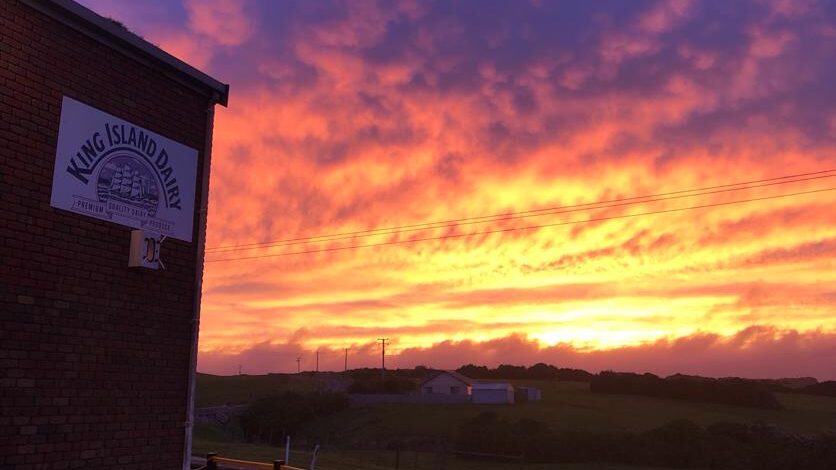
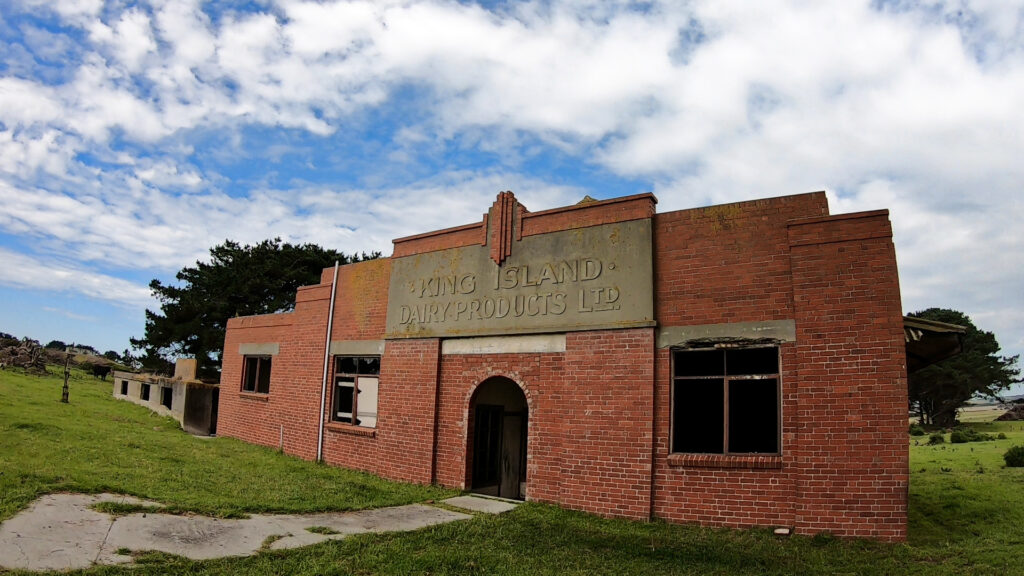
I arrived in late 2019 and moved into a big house with three Germans who also worked at King Island Dairy, Tasmania’s iconic cheese producer. The company buys milk from about ten small family farms across the island and turns it into Camembert, blue, and brie famous nationwide. The work was physically tough but strangely hypnotic — the clang of metal vats, hiss of steam, and warm fog of milk fat coating your skin.
Six weeks later, just after New Year, my housemates left. Overnight, the laughter and chaos vanished. For two months, it was just me, the sea wind, and the distant lowing of cows. It should have been lonely. Strangely, it wasn’t.
I fell into a kind of trance rhythm. Up before dawn, pull on rubber boots, drive to the factory. Work until afternoon; the island smells of salt and cream; finish, shower, practise drums. I’d bought an old kit from someone leaving the island. The first beat I played in that empty house thundered back at me — imperfect, raw, mine.
Soon neighbours started asking if I gave lessons. I began teaching after work, kids and adults wandering in with curiosity. It didn’t take long before the factory found out about strange cars at their employee house. They didn’t love that.
Thankfully, the local principal was more enthusiastic. “We’ve never had a Belgian drum teacher!” she laughed, offering me space in the school music room. For a few weeks, that small classroom became my second home — sticks bouncing off old practice pads, students giggling through rhythms. When the headteacher mentioned a long‑term contract, I felt a new door creak open.
Then the world shut it. By March 2020, the word pandemic filled every headline. Travel bans spread like fire. Schools tightened rules; outside instructors suddenly weren’t safe. Just as fast as it appeared, the opportunity was gone. At that moment, I didn’t realise that losing that job would keep me on this island for an entire year.
The decision to stay
Also in March, my official 88 farm days were complete. Technically, I could’ve left. My plan said “Melbourne in April, maybe Sydney by winter.” But each day brought stranger news: airports closed, backpackers trapped in hostels, travellers begging friends for work. Australia sealed its internal borders, Tasmania included.
King Island, population around 1 600, ended up one of the safest places on earth. With controlled flights and strict quarantine, COVID‑19 never reached us. The island practically unplugged from the mainland. Locals joked we were “a republic now.” So I stayed.
At first, the choice felt temporary — two weeks, maybe a month. Then July arrived. My second working‑holiday year started, and I decided to stay another seven months — enough time to complete extra regional days toward a third‑year visa. By then, I wasn’t thinking about leaving at all. The island had quietly become home.
New house, new family
Around March, an English flatmate and an Italian guy moved in, temporarily replacing my old housemates. We got along fine, but our rhythms clashed: different shifts, different interests. It was companionship without connection.
Then I moved in with Jürg and Dennis, two Germans who turned everything upside down in the best way possible. Within days, the island felt alive again — guitars leaning against the wall, the smell of shared meals drifting from the kitchen, weekend plans scribbled on scraps of paper. We planted a small garden out back: a few herbs that bravely survived the salt air and three scruffy tomato plants that never stood a chance. Evenings turned into ritual movie marathons, the three of us crammed onto second‑hand furniture, beers balanced carefully on drum cases and laughter filling every corner of the small house.
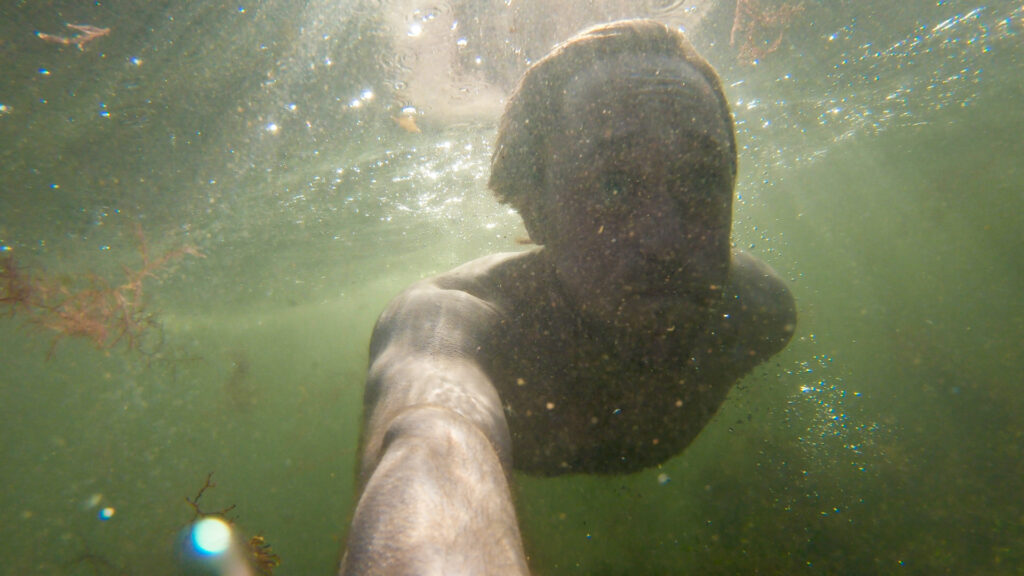
Island life started seeping deeper. The sea air worked its magic — I even stopped using shampoo altogether. Between salt‑spray swims, wind, and wood‑smoke, my hair adjusted naturally. Simple living became second nature: fewer possessions, fewer expectations, more connection.
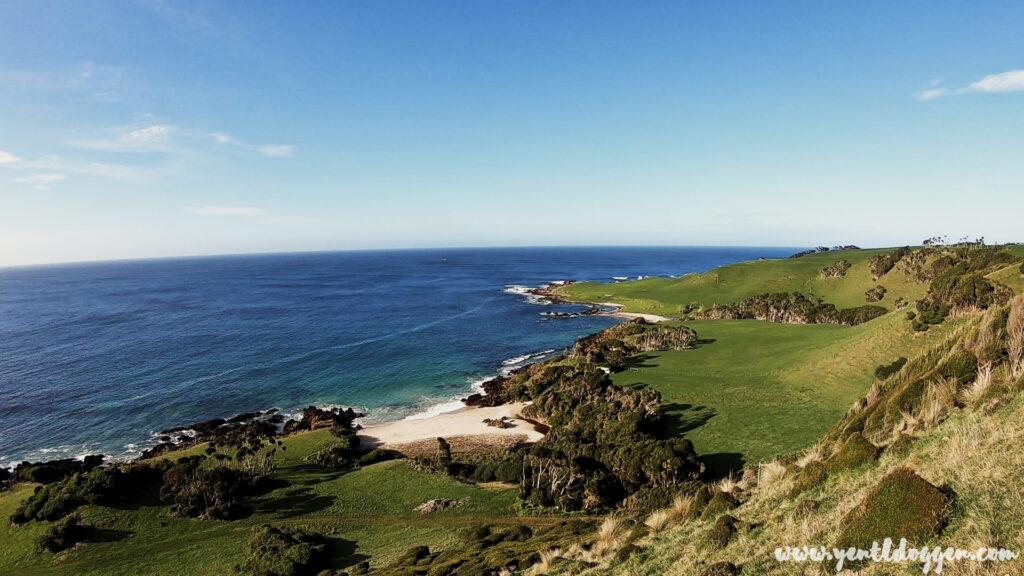
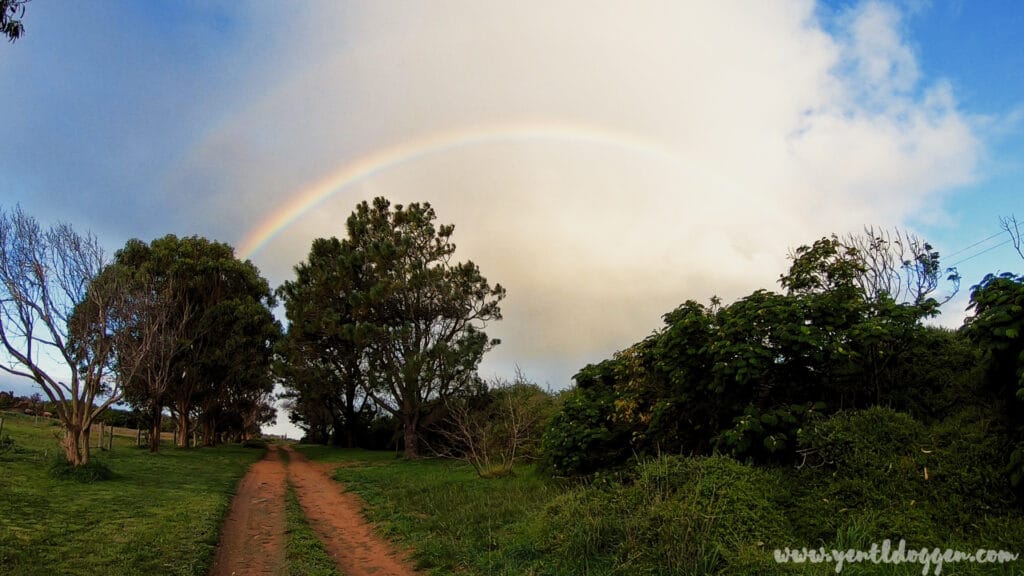
We explored everywhere — dirt roads to hidden coves, shipwreck markers, roaring wind farms over the cliffs. We drove until petrol ran out or until the ocean blocked our path.
I caught myself listening to country music — artists I’d once ignored now made perfect sense. Those lyrics about wide skies, long roads, and working hands belonged here. I remember texting a friend, “I think I’m turning Aussie rural!” Some evenings, we’d joke that we were living McLeod’s Daughters — muddy boots, sunrise shifts, small‑town gossip. Except ours came with Belgian humour, German efficiency, and Tasmanian beer.
Community and connection
King Island may be tiny, but its heartbeat is its people. Everyone waves when driving — not exaggerated friendliness, just unspoken habit. You recognise cars before faces.
Through Wade, the owner of Parenna Place Studio and King Island Radio, I tapped into the island’s music scene. “Heard there’s a musician from Belgium working at the dairy,” he said. “Get over here.”
What followed were hours of stories, coffee, and jam sessions. I played with local acts, mixed sound at weddings and backyard gigs, helped record radio jingles. Slowly, I went from visitor to participant.
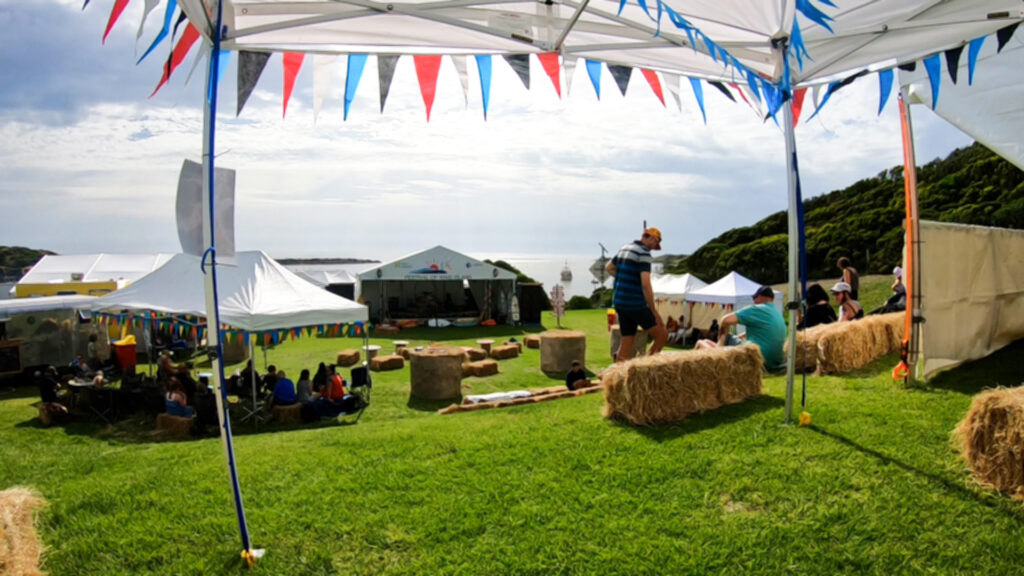
Before the pandemic, events like the King Island Races and small but beloved Festival of King Island drew crowds from across Tasmania. Even when big gatherings halted, the spirit remained. When restrictions eased later, we managed simple concerts again — smaller crowds, wider smiles.
Avalon and the art of slowing down
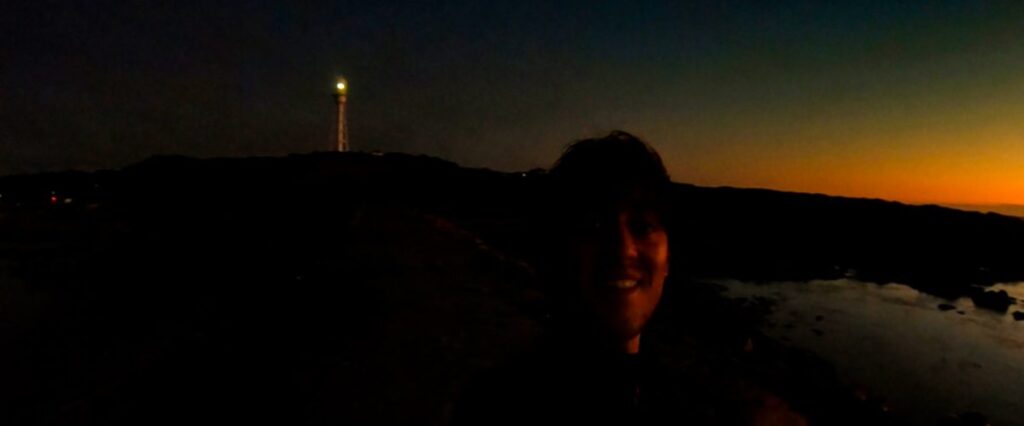
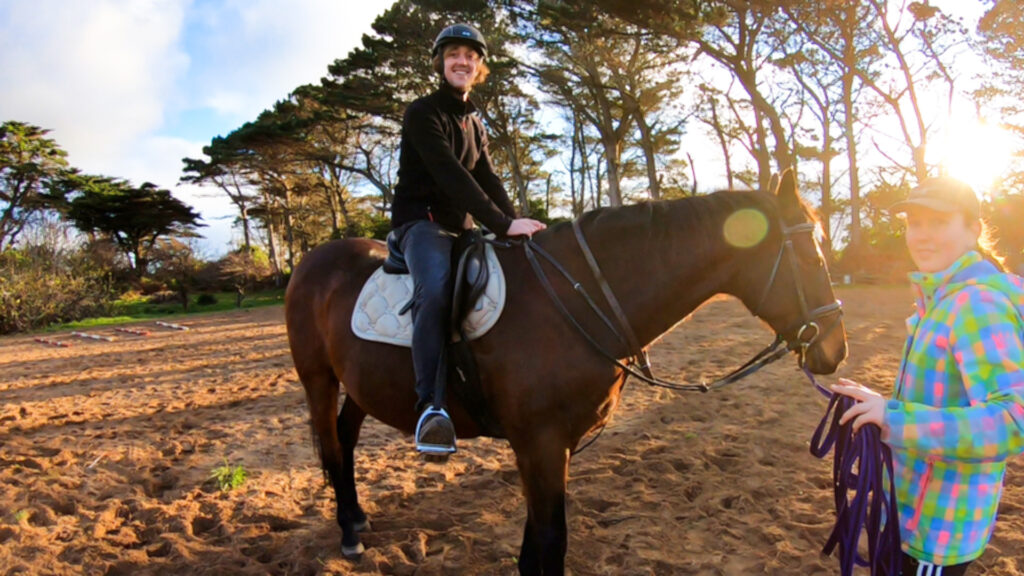
Among all of this, I met Avalon — a local whose calm energy perfectly balanced my restless one. She knew every paddock, every horse, every secret beach. We went for long walks, often saying very little. Sometimes we took her dogs across wide fields or visited the horses she rescued. On other days, she taught me to ride — first clumsy and tense, later trusting the rhythm.
Those moments blurred into the sound of ocean wind and laughter. The isolation that scared me months before now felt like freedom.
The world shrinks — in the best way
By mid‑2020, mainland Australia was in lockdown again. We followed the headlines with disbelief from our bubble of calm. Weeks passed when we forgot a pandemic even existed. With borders sealed, no new backpackers arrived. The same 20 or so of us became our own small world — dinners, birthdays, and even the occasional not‑quite‑legal party when the mood outweighed the rules.
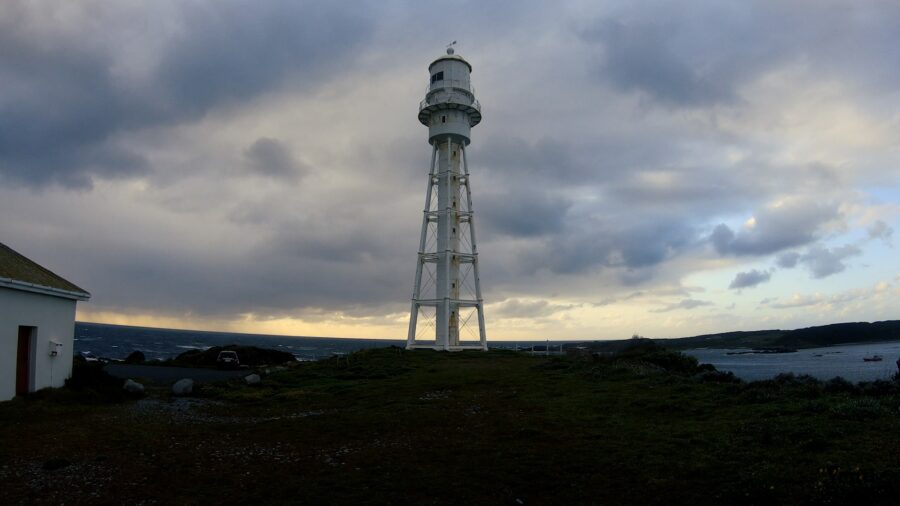
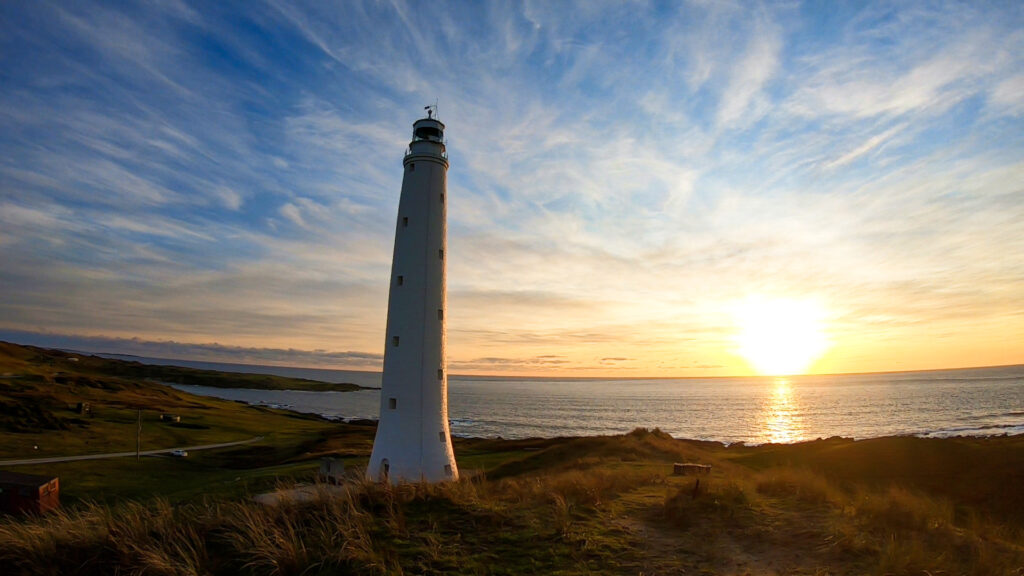
When Jürg and Dennis left in July, I moved back briefly to my first house — the Ukrainian flatmate was leaving too. Soon after, I grew close to two Germans, Nick and Lotte, and together we explored every forgotten lane and beach. BBQs at Disappointment Bay, road trips and long evenings of impossible card games. We spent weekends driving to the lighthouse at Cape Wickham, the tallest in the Southern Hemisphere, standing guard over shipwreck‑filled waters. The first time I saw it, wind roaring, I could see the mainland faintly on the horizon. It was both comforting and cruel — close enough to see but impossible to reach.
When one of my other housemates started inviting people I didn’t click with, I moved again — this time in with a Brazilian guy. Life there revolved around cooking: feijoada bubbling on the stove, grilled fish fresh from the sea, new music playing into the night.
By this point, I knew nearly everyone on the island (Well not everybody, haha) . Locals invited me to barbecues, old farmers sold me home‑made wine, neighbours gave me vegetables from their gardens. A few of us even started nighttime gaming sessions at a friend’s house, followed by beers on the veranda. In a year when the rest of the planet stood still, we somehow managed to live fully.
The stillness and the stir
Somewhere between August and September, I realised something unsettling: for the first time in years, I was comfortable. That scared me.
The restless traveller inside me started pacing. King Island was paradise — but paradise, when lived too long, becomes a cage of its own. There were days the silence felt too heavy, the same three pubs too small, the same horizon too familiar. It’s a strange feeling when the place that saved you also starts to confine you.
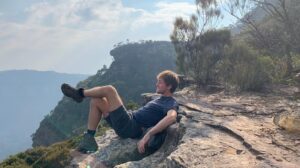
I’d wake up early before dawn, stand outside in the cold, listening to the wind, and wonder if I was still moving forward or just rooted in place. Some evenings I’d walk along the cliffs, the whole sky glowing pink, and question whether staying had made me lazy or wise.
That’s when I understood something important: travelling had always been about chasing newness. But learning to live the same life, day after day, and still find beauty in it — that was a different kind of challenge.
Learning to stay put was a new kind of travel. Finding beauty in repetition required the same curiosity as crossing borders — just slower. I was building a life, not escaping one.
Work, visas, and small victories
When my second year in Australia officially began in July, new rules allowed backpackers to earn a third‑year visa by completing six more months of regional work. I was already halfway there. Staying just made sense.
The workdays remained long but predictable — six days on, one day off, rotating through sections of the dairy. Over time, my body adjusted to the pace. The early ache turned into muscle memory, and I stopped noticing the smell that once followed me home.
Money, after months of having none, started piling up again. With no flights, no travel costs, and limited opportunities to spend, my savings grew. Whether it was the structure or the simplicity, I felt solid for the first time in years.
The island soundtrack
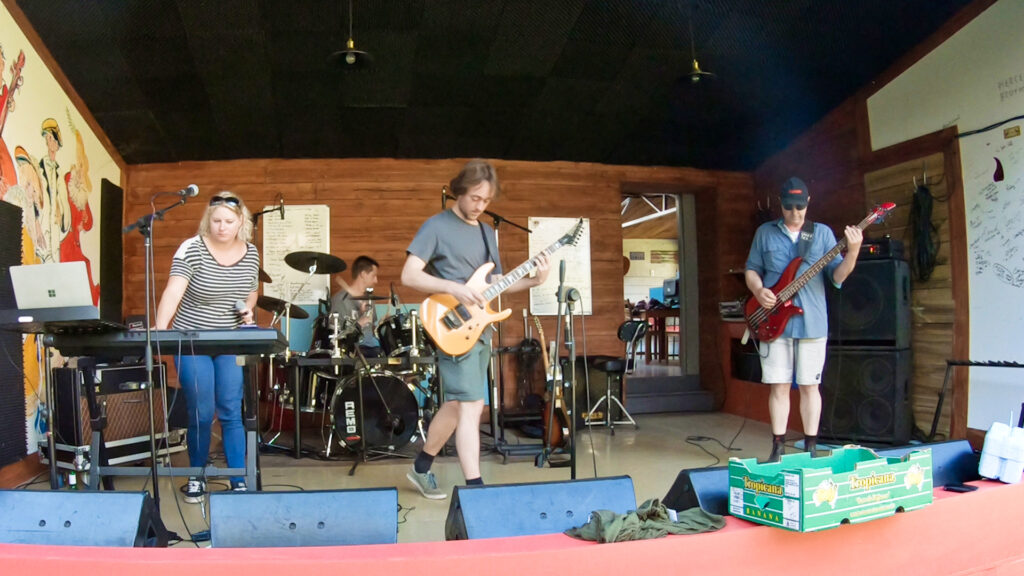
Music slowly wove itself back through everything. There were jam sessions at Wade’s studio, collaborations with locals, and involvement with small projects. I played with Rusty Falcon, joined community ensembles, and even began writing a few rough songs on guitar.
That creative spark eventually led to something much bigger: the birth of Yentl As Anything — an island band formed just as the world outside stopped. That story deserves its own post, but its beginnings belonged to this year.
The long days of freedom
Summer 2020–21 arrived like a reward for our patience. Warm evenings, golden beaches, barbecues on the cliffs. Friends fished for crayfish while we waited with beers in hand, the air thick with salt and smoke (from the bushfires). I spent hours at beaches like Sandy Cape, Martha Lavinia, and Ettrick Bay — many familiar to viewers of Round the Twist. Seeing them in person, after rewatching the old show, felt like stepping into childhood television: rugged coastlines, limestone towers, and that same strange charm between reality and legend.
Life was good. Simple. Whole.
The year that changed everything
In twelve months, King Island gave me more than I’d expected from any country or city combined.
- Worked full‑time at King Island Dairy, earning not just money but belonging.
- Taught drums, almost became a schoolteacher, and learned resilience through setbacks.
- Helped produce local events and joined a vibrant creative scene.
- Built friendships across continents, fell for a girl who showed me what “local” truly means, and learned to ride a horse.
- Grew herbs in salty soil, caught crayfish bare‑handed, and survived winds strong enough to tilt trees permanently east.
- Discovered that even without shampoo, the sea can make you feel cleaner than any city shower ever did.
Most of all, I learned how to stay still — and not call it giving up.
Epilogue — the quiet lesson
They say travel changes you. But sometimes, it’s the stopping that transforms you more.
King Island taught me how to wake before alarms, balance work and creativity, and belong somewhere without losing curiosity. It taught me that home can exist far from where you were born — and that routine can hold as much wonder as a border crossing.
Next post: Yentl As Anything – how a Belgian drummer, a pandemic, and a tiny island in the Bass Strait created one unforgettable band.
Are you enjoying following our blogs and vlogs? Please let us know in the comments below! If you need help or have questions about exploring this fantastic world, check out our travel guides or contact us through the contact page. We are happy to help with all your travel needs and questions!
To keep up-to-date with future adventures and travel guides, follow us on Facebook or just simply check this website regularly. We can’t build this platform without our readers, so we thank you for your continued support. Stay tuned for many more adventures to come!