
Peter Gunn
The well-known song Peter Gunn is an instrumental theme by Henri Mancini for the television series Peter Gunn. Although the series helped make the song famous, acknowledgment for the track didn’t come until RCA Victor released the album The Music From Peter Gunn in 1959. Mancini rearranged his tune over the years, with a Latin version on The Latin Sound of Henri Mancini and an arrangement for the movie Gunn…Number One, which also featured in the Blues Brothers movie. Jay Livingston and Ray Evans added lyrics to the Peter Gunn Theme, which was first recorded in 1965 by Sarah Vaughan.
When I took over as the artistic director and conductor for the Drum- & Percussionband Paal, most of my students had already played a Percussion Ensemble version of the Peter Gunn Theme in the local music school. Unfortunately, I couldn’t get access to the original arrangement by Erwin Thoelen, so I wrote an arrangement specifically for the Percussionband Paal.
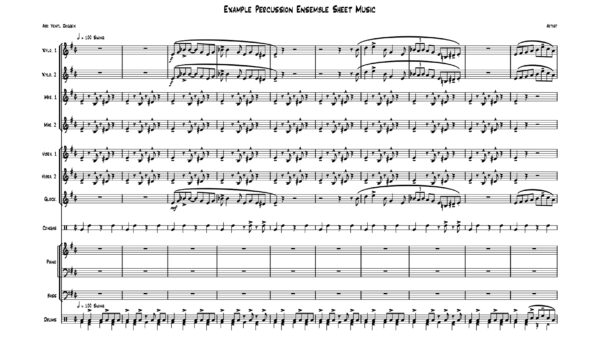
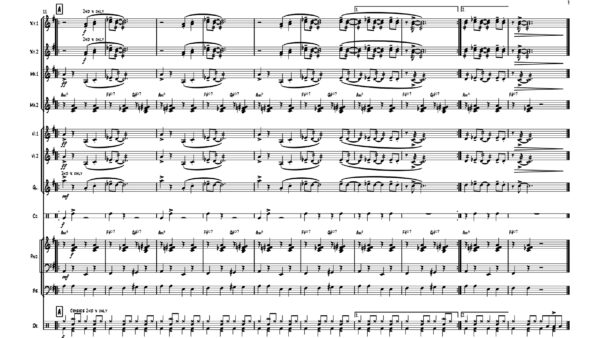
We played my version of the Peter Gunn Theme on multiple performances. Later, I reused the piece for our Blues Brothers Medley, including videos of the original Peter Gunn series and the Blues Brothers movie. The final version and the arrangement selling online is the one that I rewrote for the Meerhout Percussion Ensemble. The Peter Gunn Theme for Percussion Ensemble is for 8 to about 16 players and is a relatively easy song for an intermediate Percussion Ensemble.
Peter Gunn Theme for Percussion Ensemble:
Xylophone & Vibraphone:
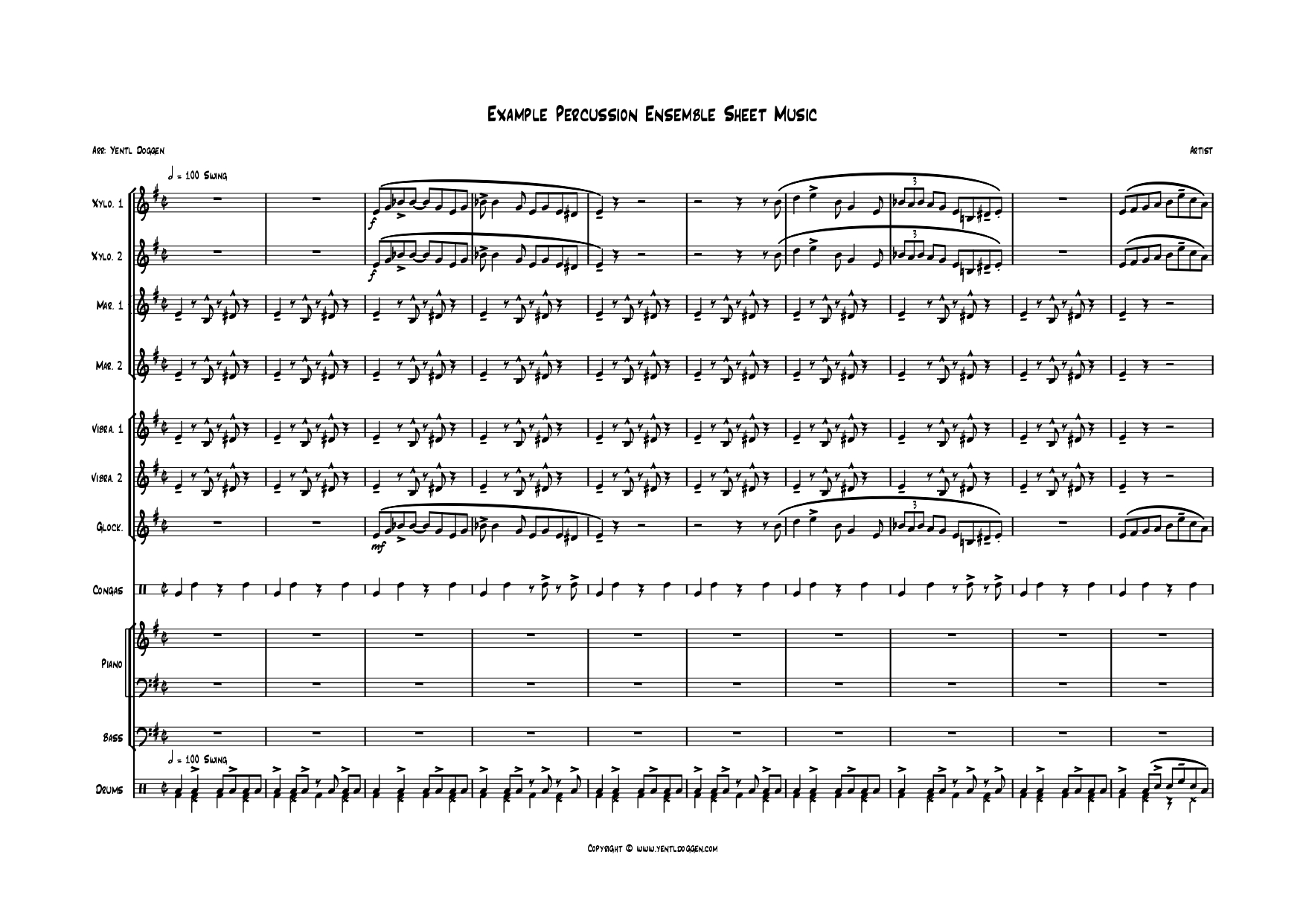
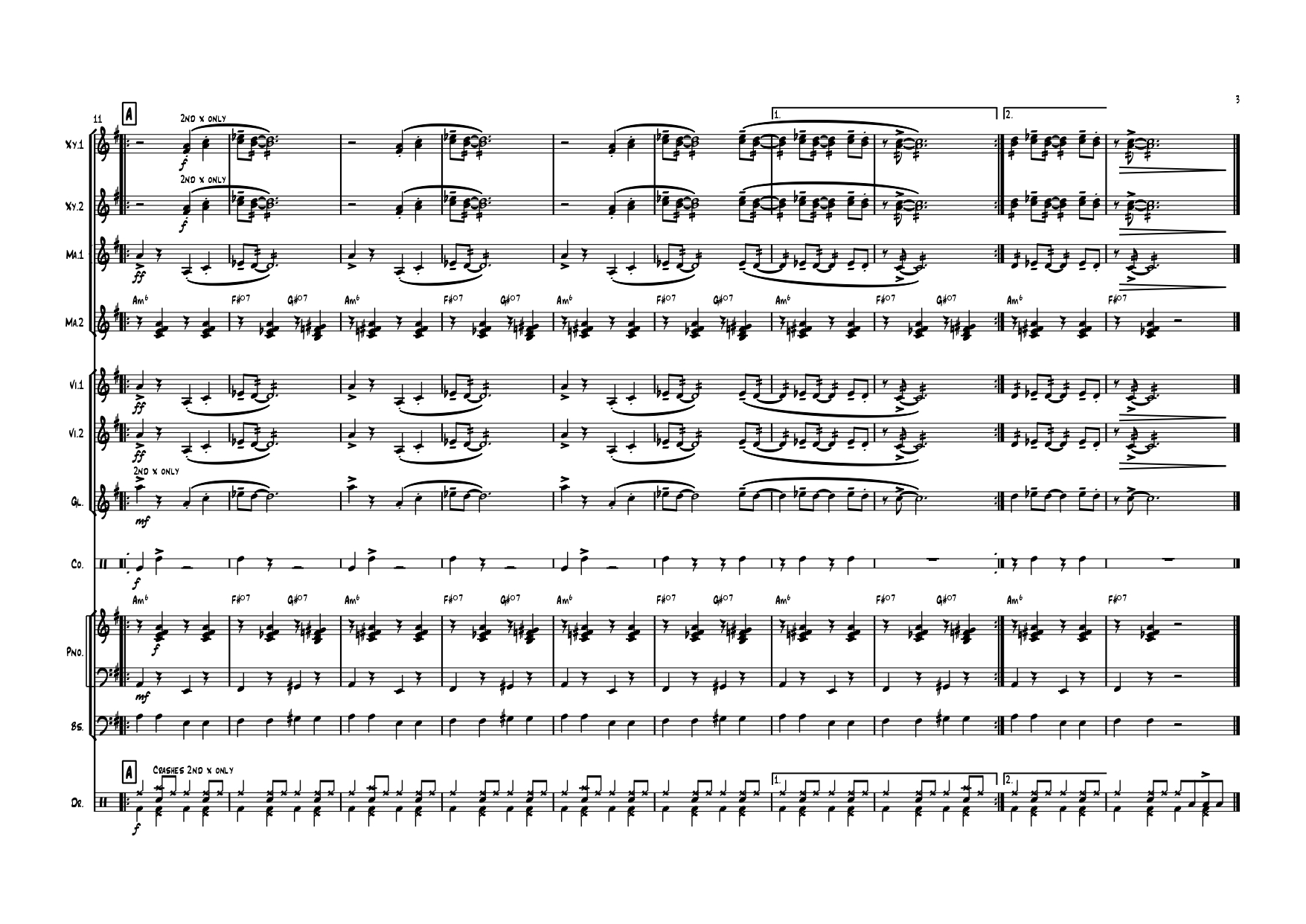
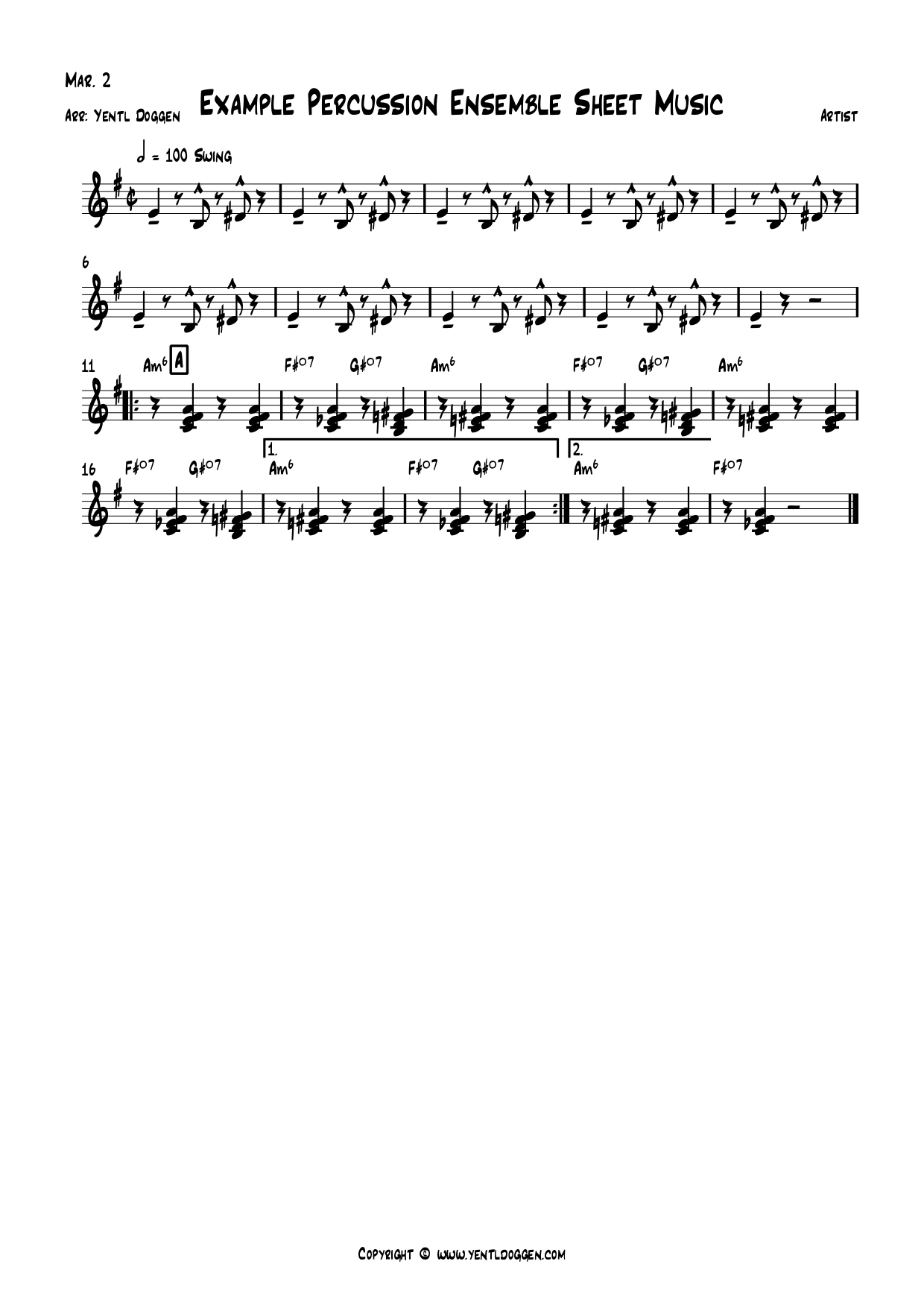
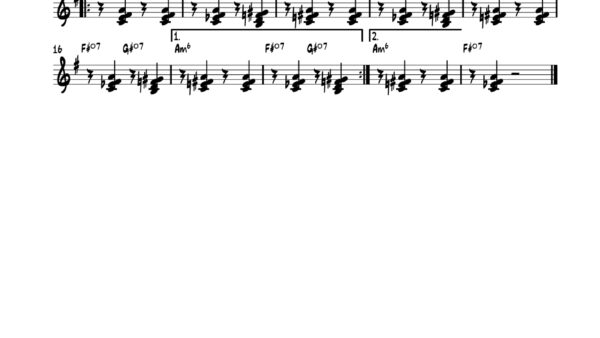
In most of my Percussion Ensemble arrangements, the xylophone and vibraphone run with the song’s central theme. That is no different in this arrangement. The Peter Gunn theme stands with the expressions in the melody line. All crescendos, decrescendos, sfz’s, and accents are crucial to playing this piece. In some places, the sheet music has three notes written down. Players do not have to play with three mallets, as the notes can be divided between the different instruments.
Marimba and Bells:
Although initially meant as a jazz theme, the Peter Gunn theme has more from blues and rock ‘n’ roll than jazz. It makes arranging easier as the rhythm section does all the work. In my arrangement for the percussion ensemble, the marimba and bells part doubles the xylophone and vibraphone parts. However, since this part plays a second melody line, it must stay below the main melody.
Bongos and Tambourine:
The bongos and tambourine part is easy to play, making it easy to overdo. The bongos can freely become a dominant part. The tambourine must stay below and in the background. This part can be played by one person when the tambourine is mounted.
Triangle and Cowbell:
If there is only one person to play the triangle and cowbell part, he should focus on the cowbell and the cymbal. The triangle part is only played if there is a second person—the triangle shifts between a closed (damped) and an open triangle (not damped).
Drum Set:
As I’ve said before, although initially meant as a jazz theme, the Peter Gunn theme has more from blues and rock ‘n’ roll than jazz, which makes the drum set part even more important. The drummer should play steadily in a forward motion, keeping the entire ensemble together. In the E-section of the arrangement, the drummer has an 8-bar drum solo.
Timpani:
The timpani part in the Peter Gunn Theme can easily be played on three timpani. Honestly, in the entire arrangement, this is my favorite part. The timpani player has the critical role of being there, playing the timpani but having no responsibility.
Piano and Bass:
The Peter Gunn Theme‘s piano part is easy to play and is manageable by even non-piano players. The ensemble should play this part on the marimba if no piano is available. Throughout the song, the piano part plays that bass feel that sets the Peter Gunn Theme apart. Easy to play, and still it makes a significant impact. The same goes for the bass part: if a bass guitar player is available, it should be played on the guitar. If not, a bass marimba will do the job.
Are you enjoying following our Music sections? if you’d like to learn more about Yentl’s life as a musician, explore the Projects page for current collaborations or visit Online Education for drum lessons and creative inspiration.