
Orpheus Suite
Orpheus in the Underworld is the English name for the comic opera Orphée aux Enfers. The two-act piece, with words by Hector Crémieux and music by Jacques Offenbach, had its first performance in Paris on 21 October 1858. The opera was later rewritten and expanded to a four-act piece, first performed on 7 February 1874. The opera tells the story of Orpheus and Eurydice. However, in this version, Orpheus is not Apollo’s son but a rustic violin teacher. Orphée aux Enfers was Offenbach’s first full-length opera and was a big success. At the end of the 19th century, the Moulin Rouge in Paris adopted the Galop Infernal from the Can-Can scene, making it still a popular dance to this day.
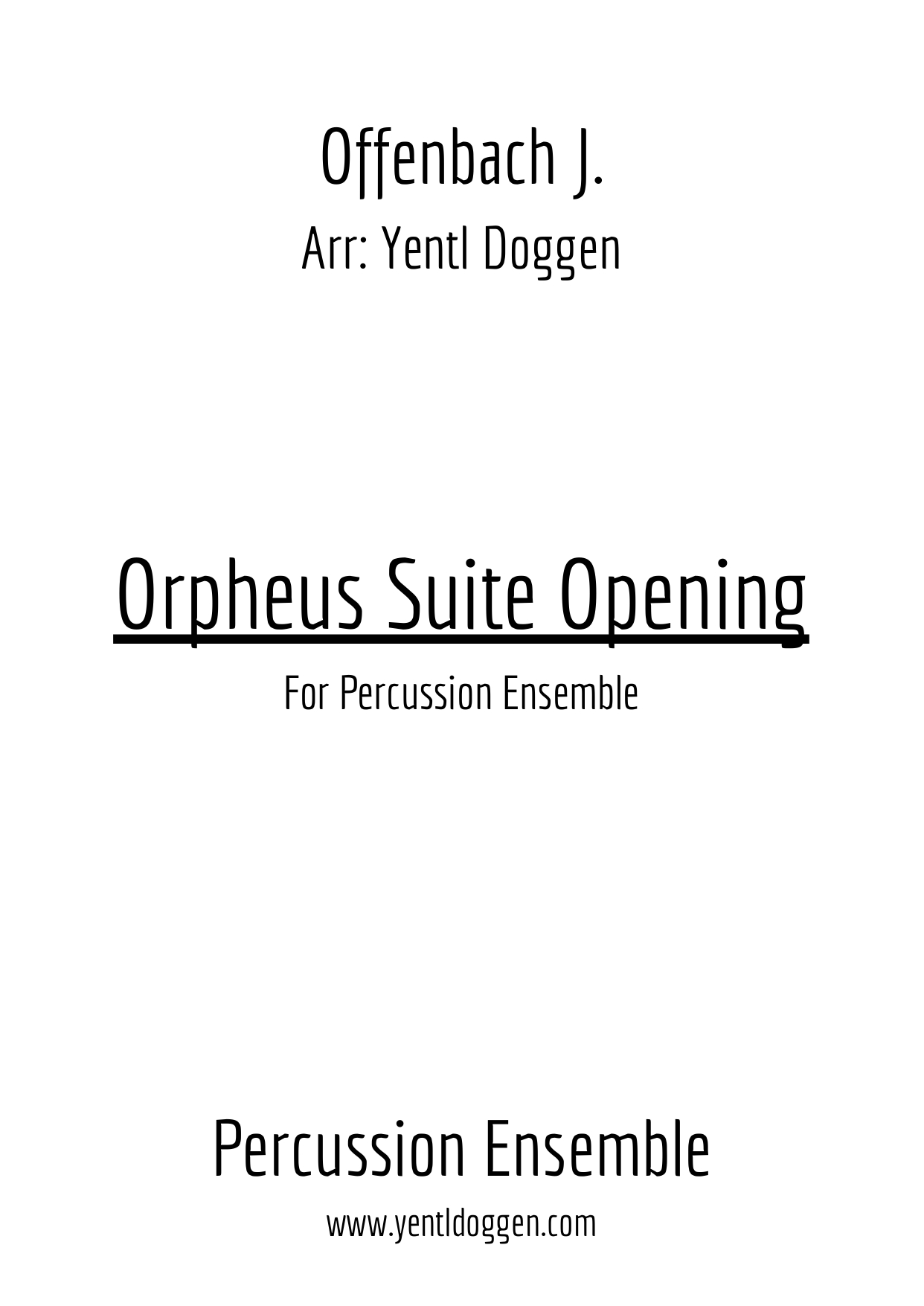
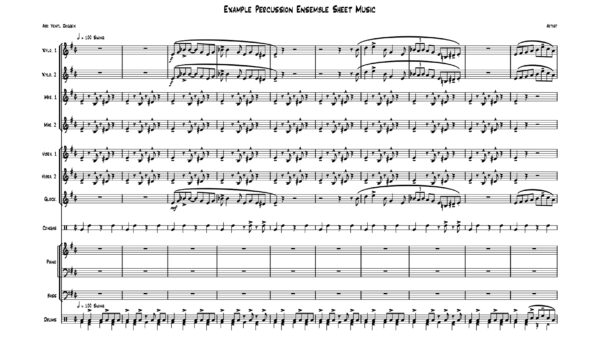
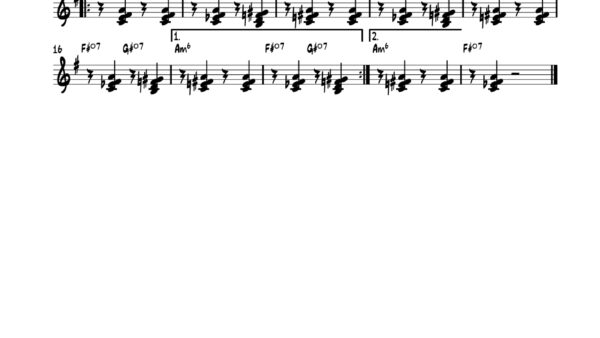
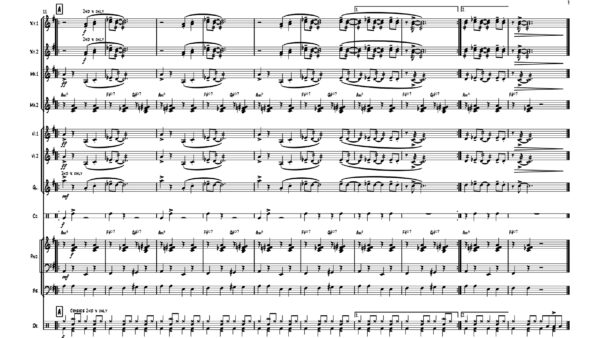
The percussion ensemble version of the Orpheus Overture I wrote was initially meant as the full performance of the Orpheus Overture by Offenbach. However, I’ve never finished the full version since. The first performance of this 13-player piece was by the Drum- & Percussionband Paal, and although I revisited the work for commercial purposes afterwards, it is still the version I wrote back then. The Orpheus Suite I’m presenting today is a percussion ensemble version of the first minute of Offenbach’s Orpheus Overture. The arrangement for percussion runs for about 2:20 minutes and would serve well as a concert opener. Since the tempo of the arrangement is fast, it is best for an experienced intermediate ensemble.
Orpheus Suite for Percussion Ensemble:
Mallets:
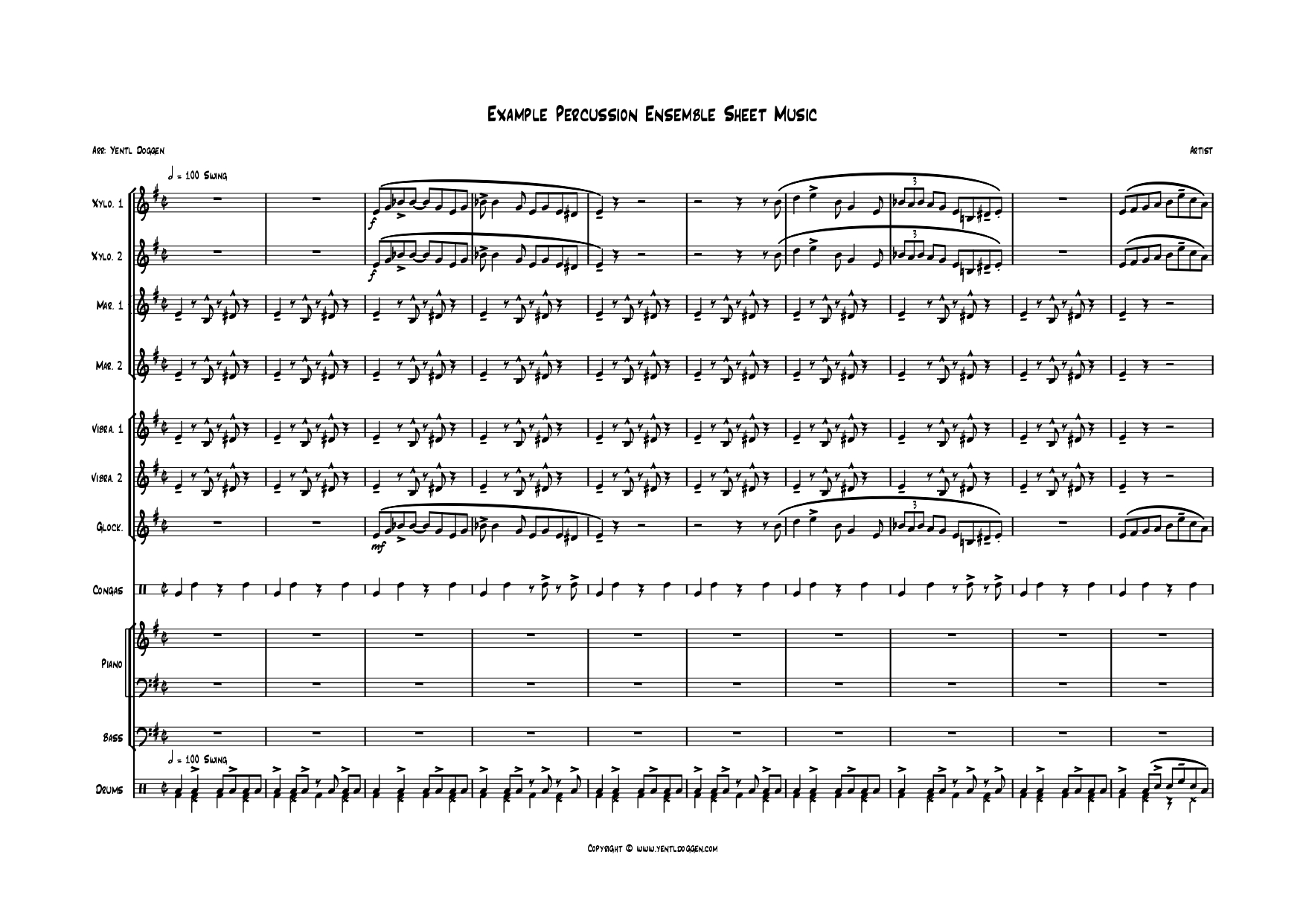
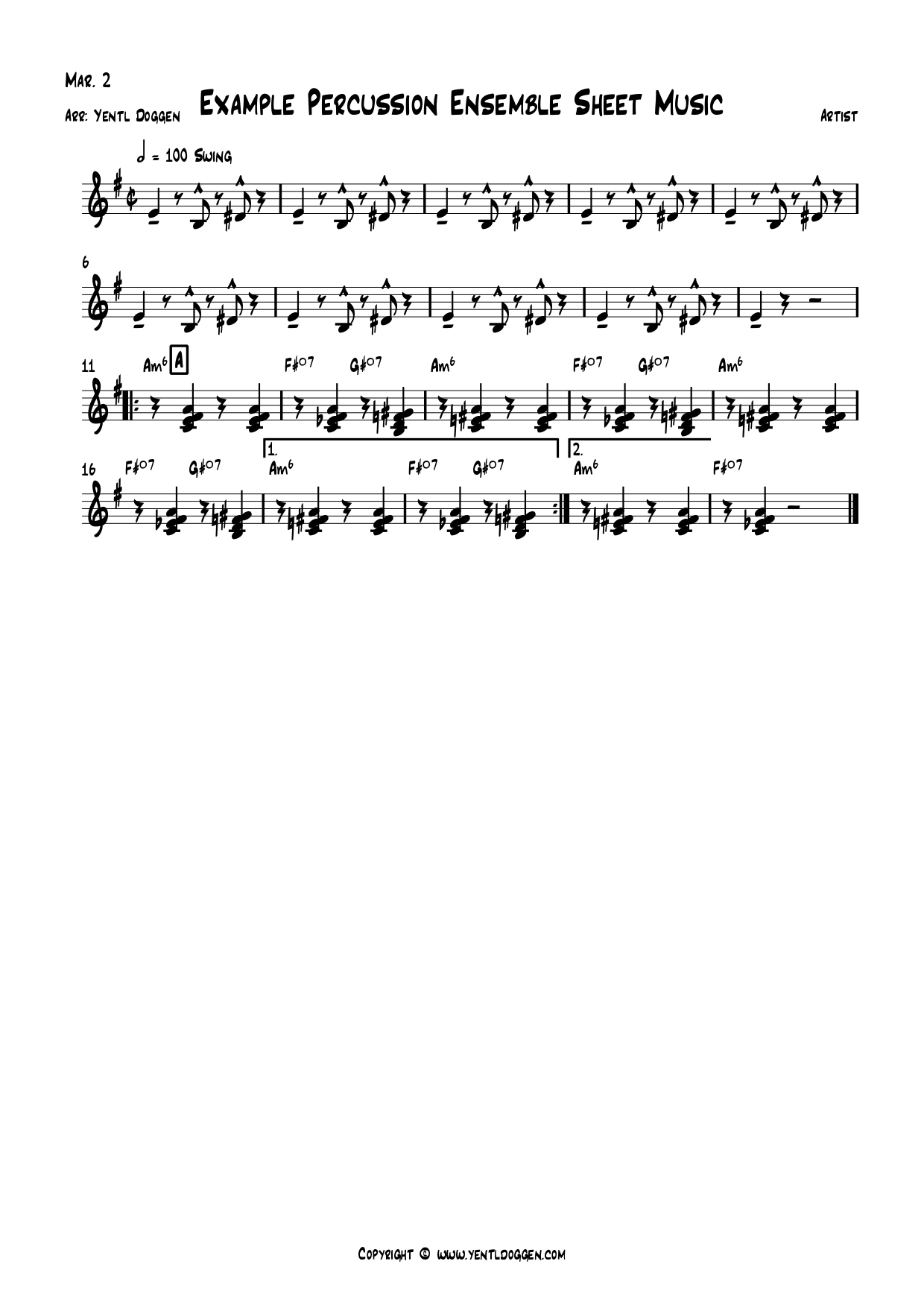
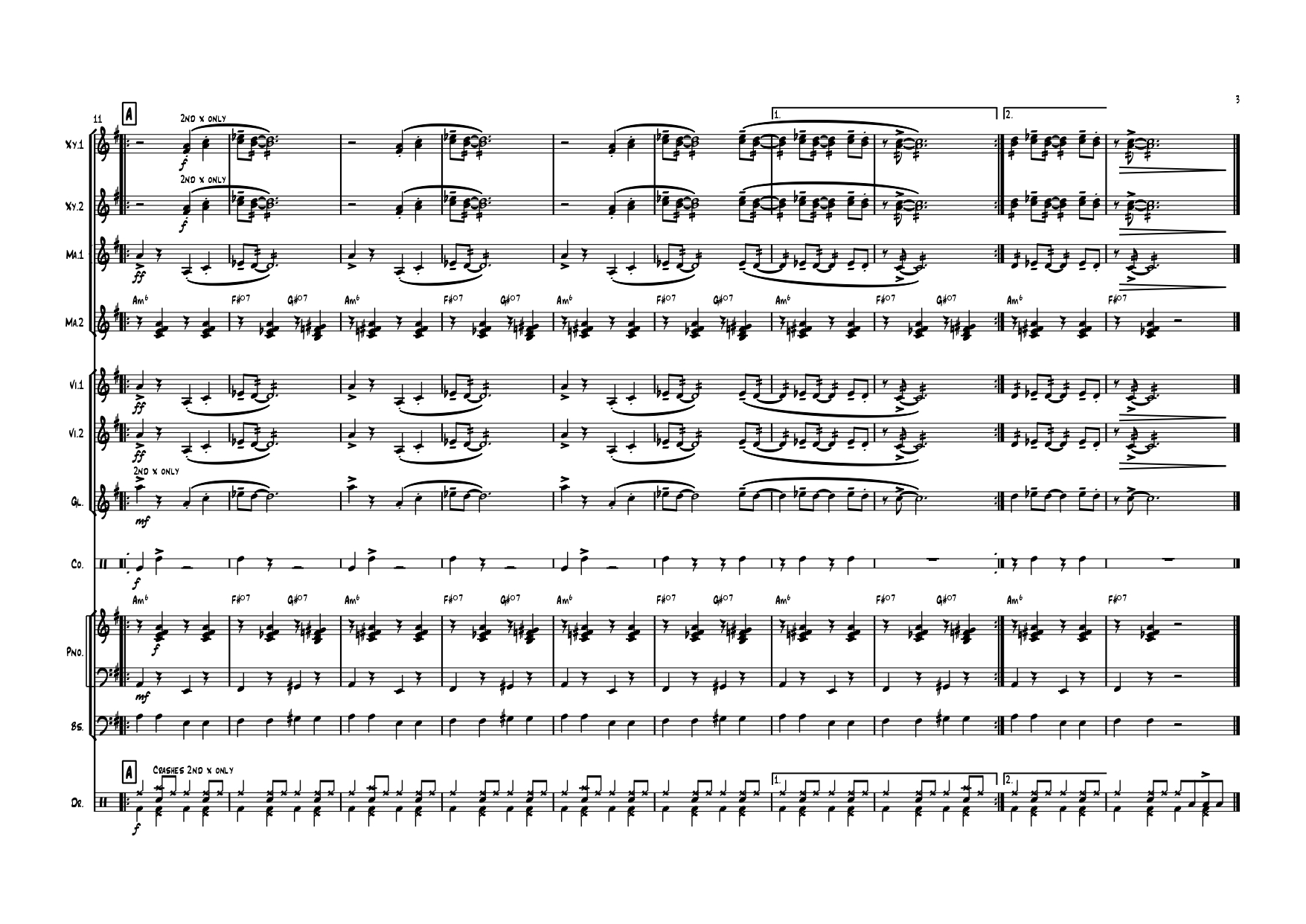
The mallet section in the Orpheus Suite for Percussion Ensemble consists of two xylophones, two marimbas, glockenspiel, vibraphone, and tubular bells. The first player has a more challenging version in the xylophone and marimba parts, whereas the second is simplified. Over the entire piece, every part plays either the main or countermelody, if not a combination of both.
Piano and Bass Guitar:
The piano is crucial in supporting the piece with harmonic material. When the piano plays a melody, it is meant to stay soft and support the other instruments. Where the piano comes with a chord on every beat, it is intended to make the music almost sound dictatorial. The bass guitar part in the Orpheus Suite for percussion ensemble switches between a rock and classical feel. In the harder sections, the bass has an eighth-note rock pattern; in the middle section, the bass even plays a classical melody.
Drum Set:
The drum set part is a sweet mix of classical snare drum and a classic rock beat. Throughout the first part, the snare drum may sound reasonably predominant. In the second part, it is mainly the deep bass that supports the melodic material, where afterwards the drum groove takes over. The main focus for the drummer is to ensure stability within the ensemble.
Timpani and Percussion:
As for most orchestral pieces around that era, the percussion and timpani parts are essential. Together with the bass drum, the timpani adds extra bass support to the entire work. However, the bass drum gets the direct hits, whereas the timpani continues that bass throughout the piece at the same level. In most places, the cymbal is played together with the bass drum to emphasize the big hits. The cymbal part is played with two cymbals rather than just hitting a cymbal.
Are you enjoying following our Music sections? if you’d like to learn more about Yentl’s life as a musician, explore the Projects page for current collaborations or visit Online Education for drum lessons and creative inspiration.